Table of Contents
A contractor needs comparable offers for a commercial development. This guide examines an electrical wire supplier in the context of building a complete building-wire rfq. The specific failure to prevent is that quotes use different insulation, packing and test assumptions.
An RFQ should identify voltage designation, conductor construction, insulation, route environment and delivery lengths. Ask each supplier to state its offered construction against those fields. A price beside electrical wire leaves room for differences that may affect installation, protection, packing and acceptance even when the quotations appear comparable.
Electrical wire supplier: define the decision before the RFQ
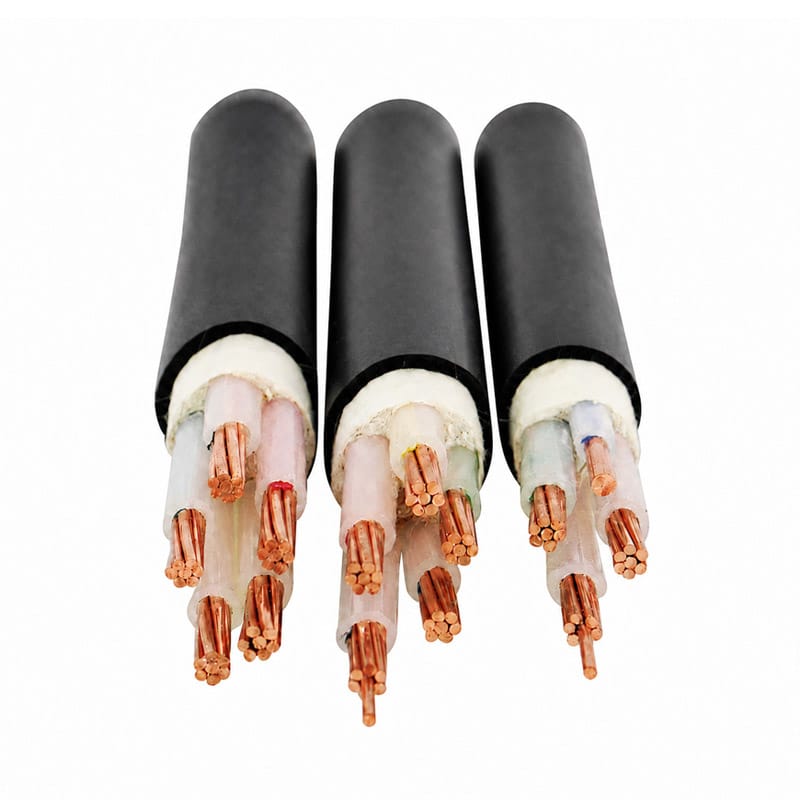
The decision is building a complete building-wire rfq. A technically useful enquiry should describe the operating situation, the physical interface and the result the owner needs to accept. For electrical wire supplier, the central risk is specific: quotes use different insulation, packing and test assumptions. A catalog name or a general compliance statement cannot resolve that uncertainty by itself.
Prepare the three project-specific review records
1. Voltage and insulation. Identify the project requirement for voltage and insulation and its controlling document. Keep the response linked to the Copper-Core Wire construction being evaluated.
2. Installation environment. Compare the offered installation environment with the actual site and equipment interface. Keep the response linked to the Copper-Core Wire construction being evaluated.
3. Delivery length schedule. Name the party responsible for approving delivery length schedule and retaining the acceptance record. Keep the response linked to the Copper-Core Wire construction being evaluated.
Compare specification routes on the same basis
| Decision route | What it establishes | What still needs review |
|---|---|---|
| Catalog description | Identifies a starting family for electrical wire supplier | Does not settle voltage and insulation or the site interface |
| Project-specific offer | States the proposed voltage and insulation and installation environment | Needs supporting evidence and approval of delivery length schedule |
| Approved purchase baseline | Connects voltage and insulation, installation environment and delivery length schedule to the same revision | Must be matched to the delivered identity and final installation |
Walk through a project decision before placing the order
Consider a hypothetical review meeting for this application: a contractor needs comparable offers for a commercial development. The buyer has an initial offer for Copper-Core Wire, but the concern remains that quotes use different insulation, packing and test assumptions. Instead of accepting the offer as complete, the team requests the document controlling voltage and insulation and asks the supplier to show where the offered construction addresses it.
The next step is to compare that response with installation environment. If the two are incompatible, the team identifies the affected drawing or interface and requests a revised proposal. It then checks delivery length schedule against the revision before release. This sequence makes the electrical wire supplier decision traceable: the final choice is supported by consistent evidence, and the reason for any change is preserved for the installer and owner.
Compare technical scope before commercial terms
Normalize offers against one cable schedule. Compare conductor metal and class, nominal area, insulation and sheath, voltage designation, armor, environmental requirements, tests and packing. Mark missing information as open rather than assuming that a familiar cable family name includes every required feature. Request explicit deviations for alternatives.
After technical alignment, compare price on a common length and delivery basis. Include drum costs, inspection, certificates or reports actually required, accessories and shipping scope. If one bidder offers a different conductor material or construction, assess the installed implications before treating it as a saving. Keep the final offer and approved schedule together as the purchase baseline. This gives receiving inspectors a concrete reference and makes later repeat orders less dependent on the original salesperson's interpretation of a short product description.
Review insulation against the full exposure profile
The voltage marking describes only part of a cable's suitability. Define service temperature, moisture, sunlight, oils, cleaning chemicals and foreseeable mechanical exposure. Also consider the required fire behavior for the building or installation. Different properties require different evidence; a generic quality certificate cannot establish them all for every construction.
Ask suppliers to identify the offered insulation and sheath materials and the service conditions supported by their documentation. Distinguish normal operating conditions from short-duration limits and test conditions. Where a cable passes from indoors to an exposed area, review the complete route rather than specifying by the most convenient segment. Mechanical protection may be provided by the installation instead of by a thicker sheath alone. The final selection should balance environmental performance, installation space, termination compatibility and the applicable project requirements.
Plan drums around installation sections and delivery phases
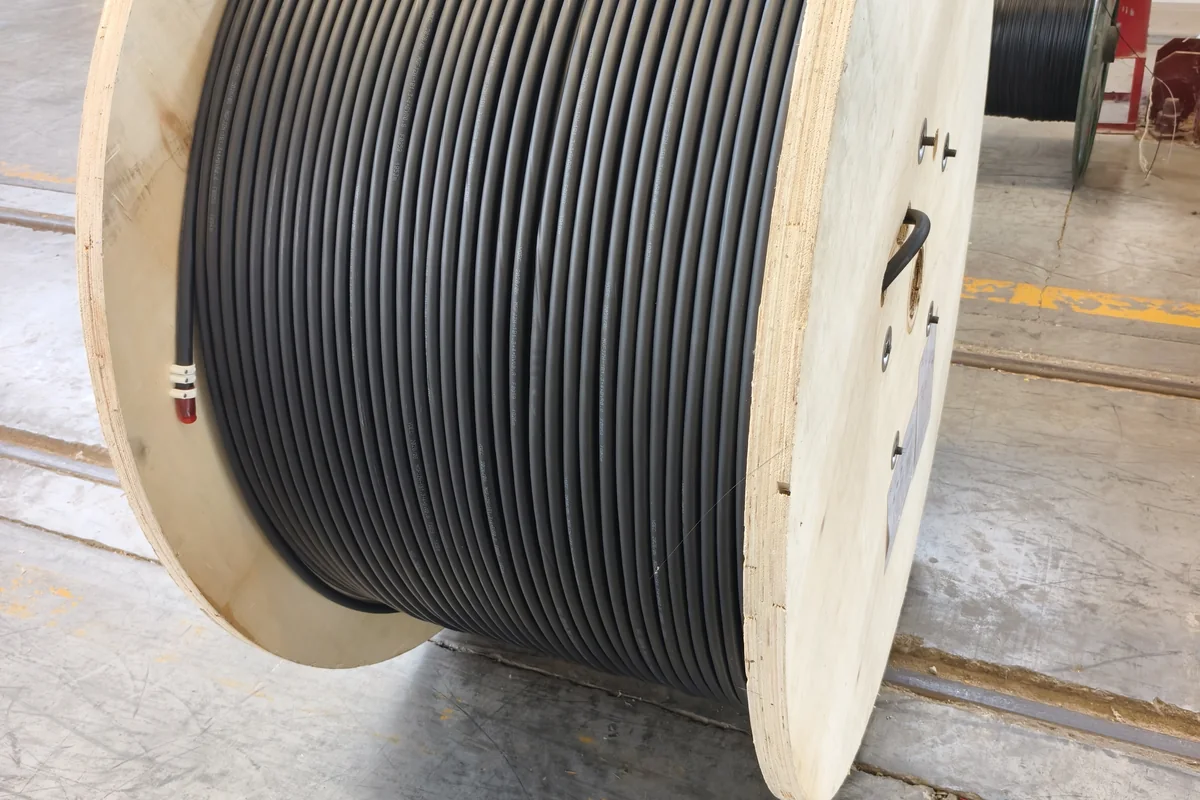
Calculate the required length for each route, including approved end allowances and any service reserve. Then agree delivery lengths, tolerance and drum allocation. The cable schedule should identify where joints are permitted and where a continuous length is required. Standard drums can be economical, but the wrong length combination may create waste or an unnecessary joint.
Coordinate drum size and mass with site access, storage and unloading arrangements. Sequence delivery so the first installation areas receive the correct drums with matching accessories and documents. Label drums against route references rather than relying only on a product code. Keep remaining cable lengths identifiable after a drum is partly used. Before reassigning an offcut, verify its construction and length against the new route requirement. This approach turns material delivery into a practical installation plan instead of leaving the contractor to optimize it after arrival.
Confirm conductor material before comparing prices
Copper and aluminum conductors require different design and termination considerations. A product title, photograph or familiar model code is not enough to establish the delivered metal. Obtain a written material declaration and a complete construction schedule. Where the description and code conflict, stop the technical comparison until the supplier provides a corrected approval document.
Compare cross-section, resistance, mass, accessories and installation requirements as a coherent system. Equivalent nominal cross-sections do not imply identical electrical or mechanical behavior. Review the suitability of lugs, terminals and transition connections with the equipment designer. At receiving inspection, match labels and test records to the approved construction. Do not rely on surface color alone to accept conductor identity. A lower quoted cable price can be misleading if it changes the termination package or fails to meet the original material requirement.
Turn the review into an inspection and release plan
Before releasing electrical wire supplier for manufacture or dispatch, reconcile the quotation, approved drawings and inspection scope. The records for voltage and insulation, installation environment and delivery length schedule should identify the same product and revision. List the evidence required from the supplier and the checks that remain with the site contractor. Resolve exceptions in writing, including who accepts the proposed deviation.
Background reference: IEC conductor specification. Confirm applicable requirements for the project; this link does not establish certification of an individual product.
Prepare a focused enquiry for Junneng Electric
Send Junneng Electric the application, quantity, required delivery window and the drawings or data needed to confirm voltage and insulation, installation environment and delivery length schedule. Ask for a written electrical wire supplier proposal with a clear construction, interface and inspection scope. Where technical details are still preliminary, identify them so they can be reviewed before order approval.
Explore the Copper-Core Wire product page, the Electric Wire range and Junneng’s requirement review and project-support services. Use the form below to discuss electrical wire supplier and confirm the quotation scope.
Frequently asked questions
What should a buyer confirm when reviewing an electrical wire supplier?
Begin with voltage and insulation, then check how it interacts with installation environment and delivery length schedule. These inputs define the application more clearly than the product name alone. Provide the actual project drawing or operating information and request an offered construction that addresses it.
What is the main application risk to avoid?
The main risk is that quotes use different insulation, packing and test assumptions. Prevent it by resolving the specific interface before order release and preserving the supporting evidence. If a bidder proposes a different arrangement, review the consequences with the responsible designer.
Can an electrical wire supplier be approved from a catalog listing?
A catalog listing is a starting point. The final review needs the proposed Copper-Core Wire construction, relevant drawings and evidence for voltage and insulation and installation environment. Clarify any conflicting model code, dimension or material description before purchasing.
Which records are needed before order release?
Keep the approved specification, final drawing revision, product or batch identity, agreed inspection evidence and the record for delivery length schedule. Define factory and site responsibilities separately so the owner can trace the supplied item through installation and handover.
How can Junneng support this project?
Send the application, quantity, delivery plan and project information for voltage and insulation, installation environment and delivery length schedule. Request model-selection and quotation support with explicit assumptions, technical qualifications and the documents needed for approval. Confirm any installation or testing service in the agreed scope.