Mục lục
A building project is selecting a transformer for an indoor electrical room. This guide examines cast resin transformer selection in the context of comparing indoor transformer arrangements. The specific failure to prevent is that absence of oil is treated as a complete site-safety and ventilation solution.
Compare the complete indoor arrangement rather than choosing dry type solely because it contains no insulating oil. Review ventilation, enclosure, fire strategy, access and environment with the project designers. The equipment family can simplify some interfaces, but it does not resolve the entire room design.
Cast resin transformer selection: define the decision before the RFQ
The decision is comparing indoor transformer arrangements. A technically useful enquiry should describe the operating situation, the physical interface and the result the owner needs to accept. For cast resin transformer selection, the central risk is specific: absence of oil is treated as a complete site-safety and ventilation solution. A catalog name or a general compliance statement cannot resolve that uncertainty by itself.
Chuẩn bị ba hồ sơ đánh giá cụ thể của dự án
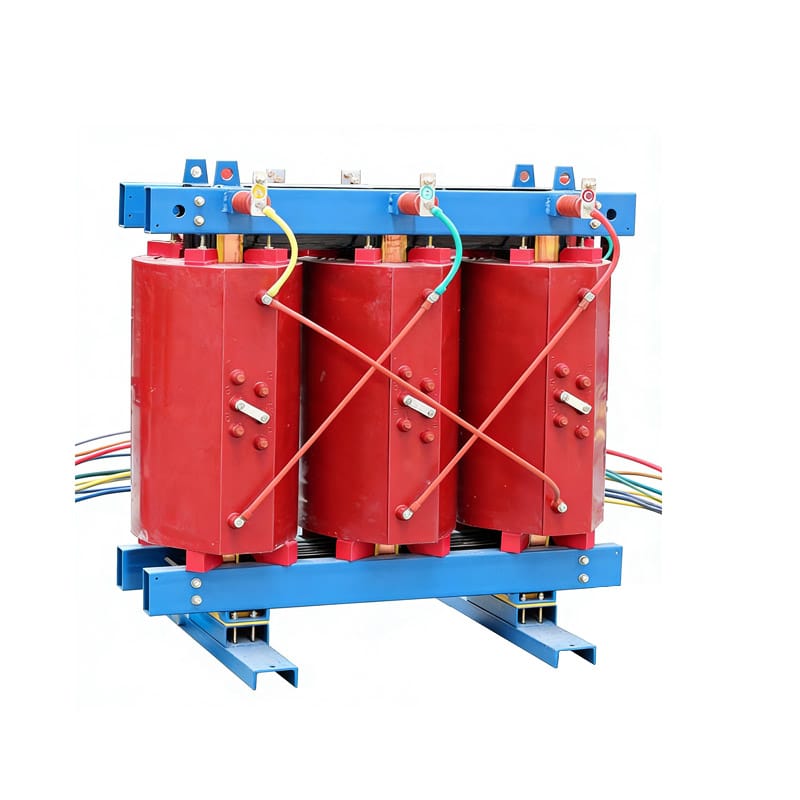
1. Room thermal design. Identify the project requirement for room thermal design and its controlling document. Keep the response linked to the Three-Phase Epoxy Resin Cast Dry Type Transformer construction being evaluated.
2. Fire strategy. Compare the offered fire strategy with the actual site and equipment interface. Keep the response linked to the Three-Phase Epoxy Resin Cast Dry Type Transformer construction being evaluated.
3. Equipment access. Name the party responsible for approving equipment access and retaining the acceptance record. Keep the response linked to the Three-Phase Epoxy Resin Cast Dry Type Transformer construction being evaluated.
So sánh các tuyến đường đặc điểm kỹ thuật trên cùng một
| Tuyến đường quyết định | Những gì nó thiết lập | Những gì vẫn cần xem xét |
|---|---|---|
| Mô tả catalog | Identifies a starting family for cast resin transformer selection | Does not settle room thermal design or the site interface |
| Ưu đãi dành riêng cho dự án | States the proposed room thermal design and fire strategy | Needs supporting evidence and approval of equipment access |
| Đường cơ sở mua hàng được phê duyệt | Connects room thermal design, fire strategy and equipment access to the same revision | Phải phù hợp với danh tính được phân phối và cài đặt cuối cùng |
Đi qua một quyết định dự án trước khi đặt hàng
Consider a hypothetical review meeting for this application: a building project is selecting a transformer for an indoor electrical room. The buyer has an initial offer for Three-Phase Epoxy Resin Cast Dry Type Transformer, but the concern remains that absence of oil is treated as a complete site-safety and ventilation solution. Instead of accepting the offer as complete, the team requests the document controlling room thermal design and asks the supplier to show where the offered construction addresses it.
The next step is to compare that response with fire strategy. If the two are incompatible, the team identifies the affected drawing or interface and requests a revised proposal. It then checks equipment access against the revision before release. This sequence makes the cast resin transformer selection decision traceable: the final choice is supported by consistent evidence, and the reason for any change is preserved for the installer and owner.
Coordinate fire, fluid and civil requirements early
The equipment choice affects the surrounding installation, including fire strategy, clearances, drainage and fluid containment where applicable. These requirements depend on the site and destination rules. Do not infer the final civil design from a general equipment family description or a marketing claim about safety.
For an oil-immersed proposal, obtain the declared fluid type and quantity and provide them to the responsible civil and environmental designers. For an indoor dry-type arrangement, coordinate enclosure, ventilation, building materials and access with the project's fire design. Record which party supplies each physical measure and which approvals are needed. Resolve these interfaces before foundations and room openings are built. Changing the transformer type late can affect several disciplines even if the electrical capacity and voltage combination appear unchanged.
Separate environmental suitability from equipment type
Oil-immersed and dry-type constructions have different characteristics, but neither label settles the complete site design. Review temperature, altitude, moisture, pollution, fire strategy, access and the destination's requirements. A dry-type transformer is not automatically suitable for uncontrolled exposure, and an outdoor oil unit still needs appropriate civil and environmental planning.
Describe unusual service conditions in the RFQ rather than asking suppliers to infer them from a project location. Request the manufacturer's review of any conditions outside its standard offering. Keep qualifications and required design changes visible in the approved schedule. Where local acceptance depends on particular tests or documents, identify them before purchase. The buyer should compare the suitability of the complete proposed installation, including enclosure, cooling, containment where applicable and operating procedures, instead of choosing from a generic indoor-versus-outdoor slogan.

Design heat rejection for the actual enclosure and room
The transformer releases heat that must leave the immediate surroundings. Use the offered losses and service conditions to coordinate the room, outdoor area or packaged enclosure. A capacity rating established under one cooling arrangement should not be assumed unchanged after an enclosure is added or ventilation is obstructed.
Identify inlet and outlet paths, nearby heat sources, summer conditions and the responsibilities of the electrical and mechanical designers. For a dry-type unit, room cleanliness and airflow around the equipment matter; for an oil-immersed unit, radiator access and the proposed site arrangement need review. Obtain dimensions and cooling information for the complete offered assembly. If ventilation depends on fans or controls, define their supply, monitoring and maintenance responsibilities rather than treating them as an incidental accessory discovered during commissioning.
Evaluate acoustic requirements with defined conditions
A statement that a transformer is quiet is not a measurable purchase requirement. Specify the acoustic quantity and measurement conditions appropriate to the project, and distinguish equipment sound data from the sound level experienced at a nearby occupied location. Room reflections, structure-borne vibration and barriers can affect the installed result.
Discuss receiver locations and operating conditions with the acoustic and electrical designers. Review the offered measurement evidence and any agreed limit for the supplied unit. Keep mounting and isolation details compatible with the equipment instructions. If the site is sensitive, consider the layout before procurement rather than expecting a later enclosure change to solve every issue. The acceptance plan should identify what the supplier demonstrates at the factory and what the project evaluates at site, so both parties understand the boundary of the acoustic commitment.
Biến việc xem xét thành một kế hoạch kiểm tra và phát hành
Before releasing cast resin transformer selection for manufacture or dispatch, reconcile the quotation, approved drawings and inspection scope. The records for room thermal design, fire strategy and equipment access should identify the same product and revision. List the evidence required from the supplier and the checks that remain with the site contractor. Resolve exceptions in writing, including who accepts the proposed deviation.
Tham khảo nền: IEC power transformer framework. Xác nhận các yêu cầu áp dụng cho dự án; liên kết này không thiết lập chứng nhận cho một sản phẩm riêng lẻ.
Chuẩn bị một cuộc điều tra tập trung cho Junneng Electric
Send Junneng Electric the application, quantity, required delivery window and the drawings or data needed to confirm room thermal design, fire strategy and equipment access. Ask for a written cast resin transformer selection proposal with a clear construction, interface and inspection scope. Where technical details are still preliminary, identify them so they can be reviewed before order approval.
Khám phá các Three-Phase Epoxy Resin Cast Dry Type Transformer product page, cái Transformer range và của Junneng đánh giá yêu cầu và dịch vụ hỗ trợ dự án. Use the form below to discuss cast resin transformer selection and confirm the quotation scope.
Những câu hỏi thường gặp
What should a buyer confirm when reviewing cast resin transformer selection?
Begin with room thermal design, then check how it interacts with fire strategy and equipment access. These inputs define the application more clearly than the product name alone. Provide the actual project drawing or operating information and request an offered construction that addresses it.
Rủi ro ứng dụng chính cần tránh là gì?
The main risk is that absence of oil is treated as a complete site-safety and ventilation solution. Prevent it by resolving the specific interface before order release and preserving the supporting evidence. If a bidder proposes a different arrangement, review the consequences with the responsible designer.
Can cast resin transformer selection be approved from a catalog listing?
A catalog listing is a starting point. The final review needs the proposed Three-Phase Epoxy Resin Cast Dry Type Transformer construction, relevant drawings and evidence for room thermal design and fire strategy. Clarify any conflicting model code, dimension or material description before purchasing.
Những bản ghi nào cần thiết trước khi phát hành đơn hàng
Keep the approved specification, final drawing revision, product or batch identity, agreed inspection evidence and the record for equipment access. Define factory and site responsibilities separately so the owner can trace the supplied item through installation and handover.
Junneng có thể hỗ trợ dự án này như thế nào?
Send the application, quantity, delivery plan and project information for room thermal design, fire strategy and equipment access. Request model-selection and quotation support with explicit assumptions, technical qualifications and the documents needed for approval. Confirm any installation or testing service in the agreed scope.